

Tumblr Never Left — We Just Pretended We Outgrew It
Lately, it feels like the internet is looking backward again.
Not in a nostalgic, throwback-for-fun way, but in a quiet recognition. Everywhere you look, people are posting references to 2016. Old photos. Old playlists. Screenshots of Tumblr dashboards. “You just had to be there.” A collective remembering of a time when the internet felt less strategic and more emotional.
And I keep thinking: maybe that’s not accidental. Because 2016 wasn’t just an aesthetic era. It was a mindset. We weren’t building personal brands yet. We weren’t optimizing everything for reach or engagement. We were collecting images because they made us feel something, not because they fit a content plan. Curating a page on weheartit or Tumblr was my personal creative outlet after school. Photos of celebrities with a fingerstache, Lana del Rey, melancholic quotes everywhere, pink hair tips.
Moodboards are no longer neat grids with perfectly color-matched imagery. Instead, they feel assembled. Almost careless at first glance. Images layered on top of each other, scribbles in the margins, raw photography, screenshots, grain, smoke, flash. Things that look unfinished — but intentional in their imperfection.
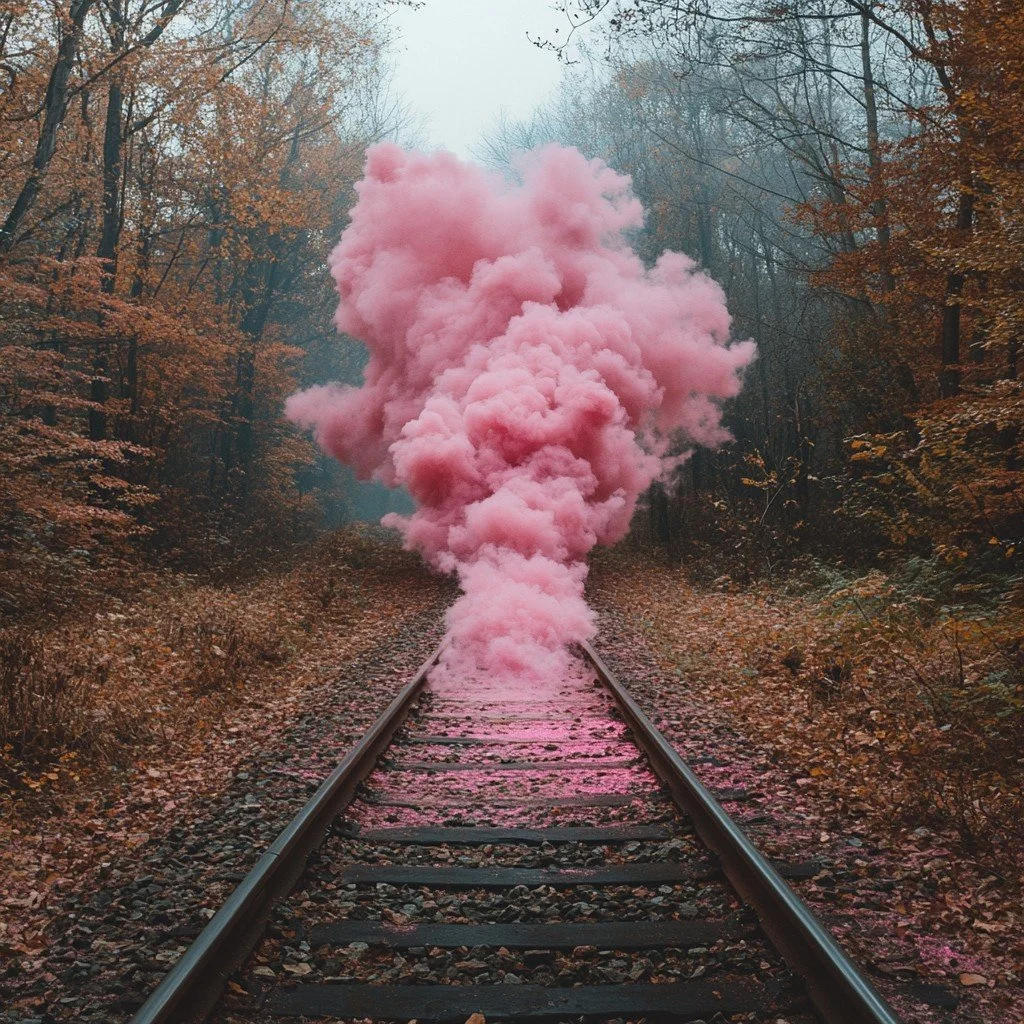
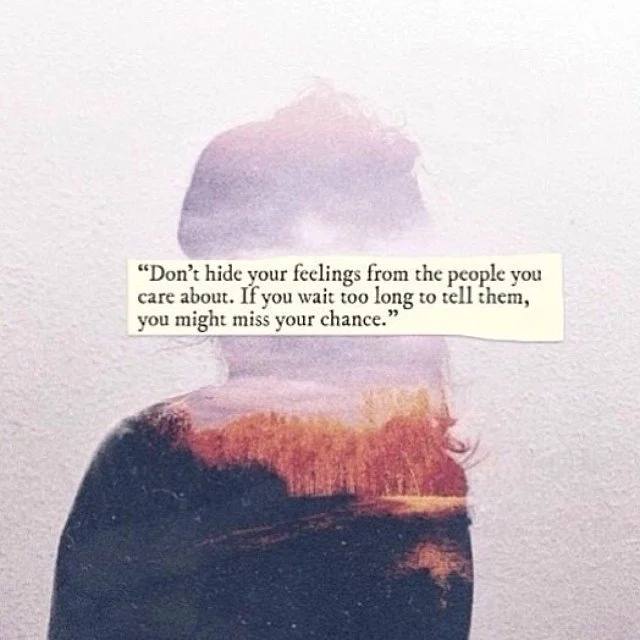
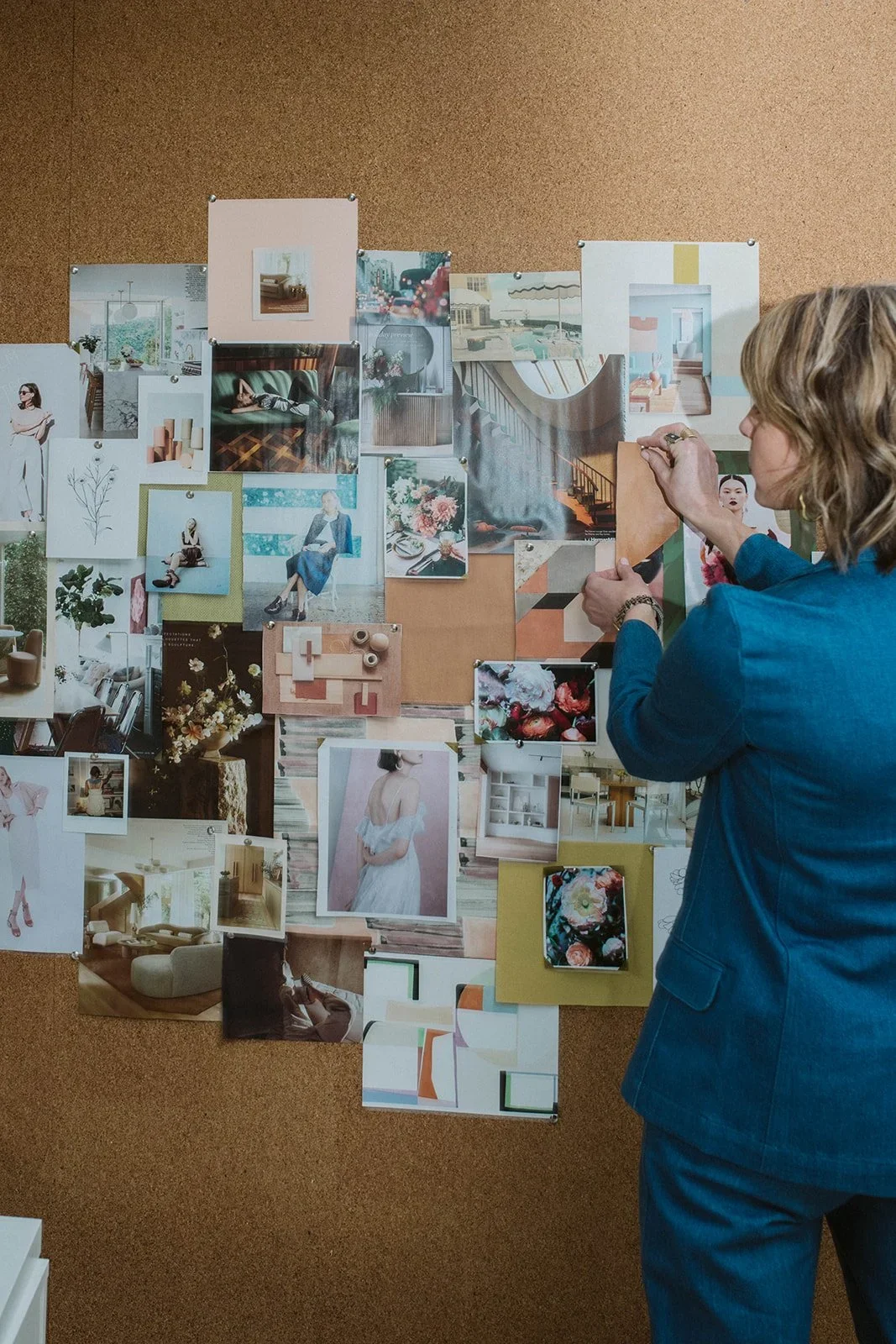
This aesthetic, where references are thrown together rather than carefully aligned, reflects a deeper shift. It’s not about chaos for chaos’ sake. It’s about emotion returning to design. Maybe as a direct counter behavior to the oh so perfect AI tools out there.
After years of minimalism, beige branding, and AI-generated visuals that all feel strangely similar, people are craving friction again. Texture. Mood. A sense of taste that can’t be replicated by typing a prompt.
That’s where Tumblr thinking re-enters the conversation. The platform trained an entire generation to develop taste by collecting. You didn’t create everything yourself. You chose. You edited. You assembled meaning from fragments. Your blog was less a portfolio and more a mirror of your inner world.
Lifestyle brands are now adopting that same logic. Fashion labels mixing archive campaign imagery with new product shots. Beauty brands posting unedited backstage photos alongside polished visuals. Home brands layering handwritten notes, scanned paper textures, and imperfect typography into their design systems. Coffee shops leaning into smokey lighting, dark tones, grunge overlays, and flash photography that feels late-night and lived-in rather than studio-lit.
These brands aren’t trying to look clean. They’re trying to look real. And real, right now, doesn’t mean natural or minimal. It means emotionally specific. The scribbles matter. The mess matters. The references matter. Because they communicate personality faster than any brand guideline ever could.
What’s interesting is that this aesthetic only works when it’s anchored in consistency. The irony of “throwing things together” is that it still requires taste. Without a clear point of view, it quickly becomes noise. But when done well, it creates a world people want to step into.
That’s why this trend resonates so strongly with lifestyle brands in particular. They’re not selling utility. They’re selling atmosphere. Identity. A feeling of belonging to something slightly niche, slightly underground, slightly “if you know, you know.”
And maybe that’s why 2016 keeps resurfacing. Because back then, the internet felt like rooms instead of stages. You didn’t perform for everyone. You existed with people who got it. Tumblr pages, Blogpost websites (I, myself had one that was apparently taken down by now), playlists, saved folders — they were personal spaces, not broadcast channels.
In 2026, after years of algorithm pressure and constant optimization, that intimacy feels radical again.
Brands tapping into this aren’t chasing nostalgia for nostalgia’s sake. They’re responding to fatigue. To sameness. To the sense that everything has become too clean, too optimized, too easy.
So the return of moodboards, scribbles, raw visuals, and grungy aesthetics isn’t really about style.
It’s about wanting the internet — and branding — to feel human again. And maybe that’s the clever part. Not that trends from 2016 are back, but that we finally understand why they mattered in the first place.