

Marketing Trends for 2026
2026 feels like the year marketing swings back toward real attention.
Not more content. Better signals. Better craft. More in-person energy. More “designed” experiences—online and offline. And visually? We’re moving away from endlessly-polished templates into aesthetics that feel collected, human, and intentional.
Here are the trends I’m betting on (and how I’d actually use them for a brand).
1) The Return of “You had to be there”
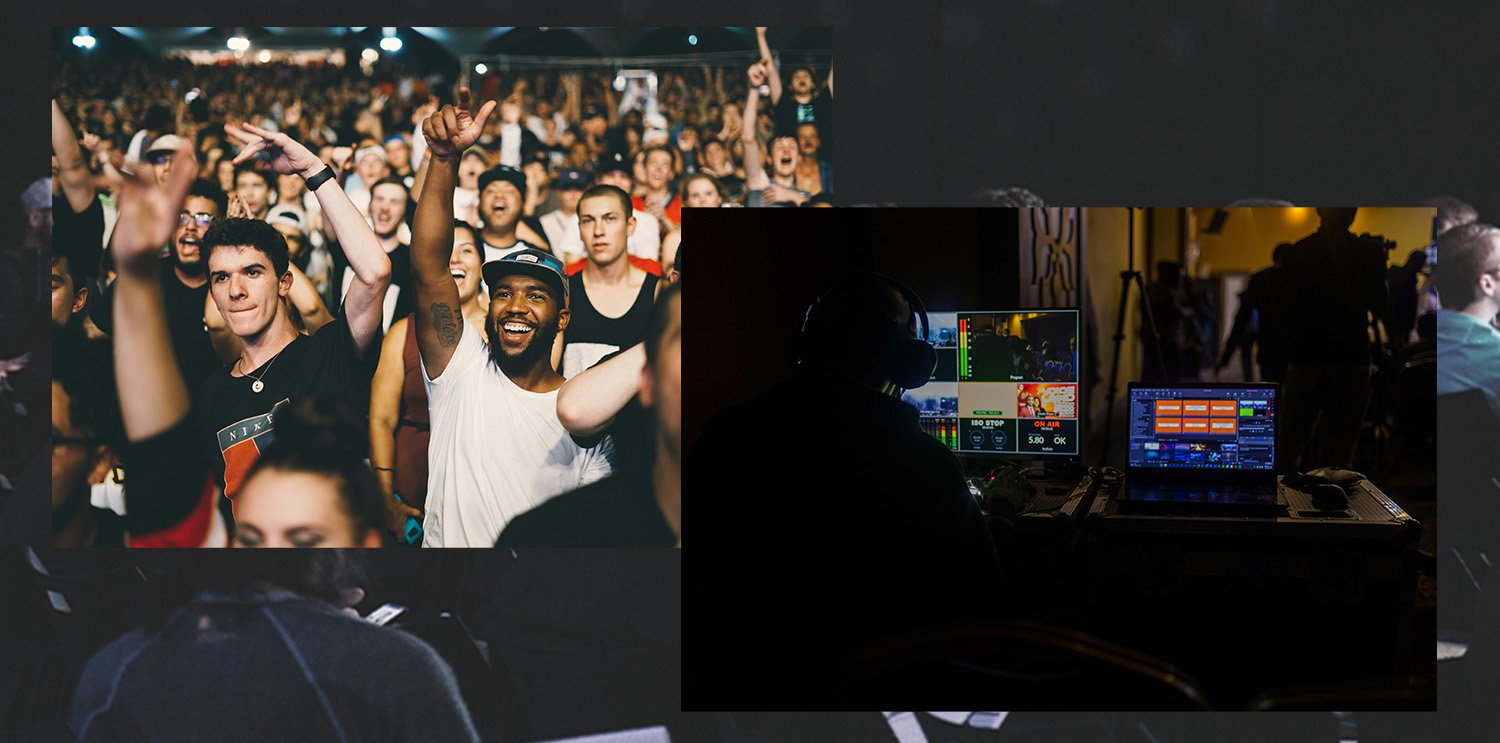
In 2026, attention doesn’t come from scrolling — it comes from showing up.
People are tired of sitting behind desks all day. Brands are tired of fighting algorithms. What we’re seeing instead is a clear shift back toward live experiences — moments that happen in real time, feel shared, and can’t simply be replayed later.
Interestingly, this shift isn’t only visible in small brands or startups. Even major streaming platforms are moving in this direction.
Netflix, a company built entirely on on-demand perfection, has started experimenting with live formats again:
Alex Honnold’s Free Solo climb in Taiwan, streamed live, turning the event into a collective global moment – Live on Netflix, with the North Face Logo plastered on the Intro and on Honnold’s shirt.
Reunion shows that now happen live rather than pre-recorded, bringing back unpredictability, emotion, and real-time reactions
When a platform known for polished, edited content intentionally embraces live, it shows that audiences are craving something different — presence instead of perfection. Live moments create anticipation, emotional investment, and that feeling of “you had to be there.”
The real power lies in what happens before and after. One well-designed event can now fuel:
social media content for weeks
authentic behind-the-scenes storytelling
email follow-ups and recaps
community growth
long-term brand trust
Live does not mean chaotic — it means real. Strong live experiences still need structure, clarity, and visual intention. The brands that stand out will approach events the same way they approach campaigns: with a clear visual system, thoughtful storytelling, and a defined flow.
People should immediately understand where to look, what matters, and what to do next — whether they’re standing in the room or watching from their phone.
2) Curated Is the New Cool
Cool-girl moodboards and “collected internet” behavior are trending because people are tired of the endless scroll and want to save meaning, not just consume. After years of fast content, optimized visuals, and designs built primarily to perform well in feeds, a quiet shift is happening. People are slowing down, “touching grass”. They’re bookmarking instead of liking, saving instead of scrolling, and returning to content that feels considered rather than reactive.
As AI tools make it easier than ever to generate visually impressive graphics in seconds, the value of speed decreases. When anyone can create a polished 3D render or a trendy visual style instantly, aesthetics alone are no longer enough.
This kind of visual language feels closer to collecting than producing. Like flipping through magazines, tearing out pages, or keeping a folder of references that slowly forms a personal point of view. It’s less about jumping on trends and more about building a recognizable aesthetic over time — one that reflects taste, values, and identity.
Texture, story, and provenance become more important — where did this image come from, why was this reference chosen, what does it say about the brand? More brands will begin to treat inspiration itself as an asset. Not hidden behind the scenes, but shared openly. Libraries of references, lookbooks, material explorations, and visual archives will become part of the brand experience, allowing audiences to understand not just what a brand sells, but how it thinks.
Practical ways to apply the vibe:
Create a public “brand moodboard” page (seasonal drops, inspiration, materials)
Post “process collections” (type tests, color explorations, sketches)
Launch a mini “digital garden” section on your site: notes, behind-the-scenes, saved references
Shift from “5 tips” content → “what we’re collecting + why”
Visually, this approach translates into softer editorial layouts supported by strong, confident typography. Photography becomes more restrained, with less saturation and more intention behind framing and lighting. Smaller brands, in particular, will begin to look increasingly premium — not through excess, but through clarity and consistency.
And in 2026, that quiet confidence may be the most powerful differentiator a brand can have.

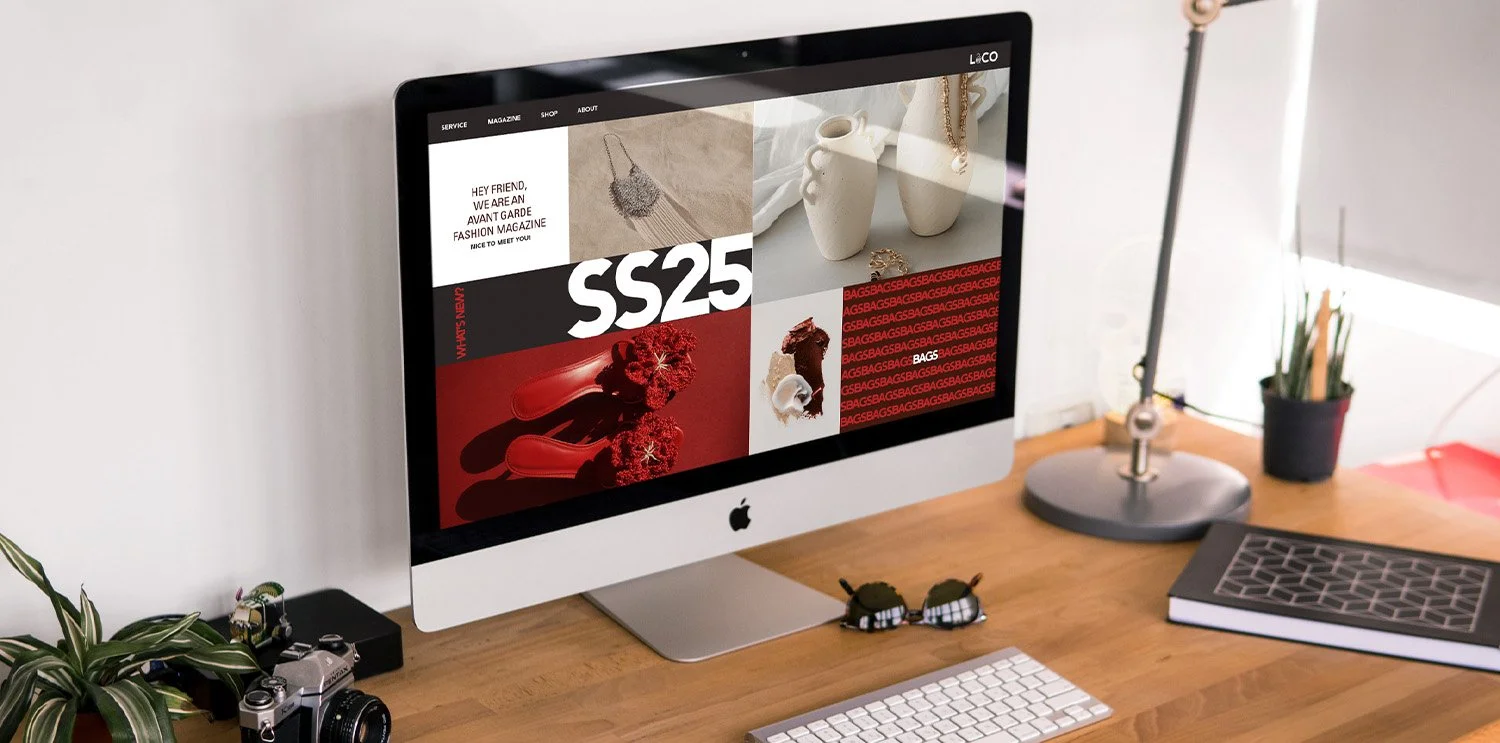
3) Web + brand design gets more expressive (because AI made “clean” too easy)
When everyone can generate “pretty,” taste becomes the differentiator. Design has become more accessible than ever — and that’s not a bad thing.
Tools like Canva have fundamentally changed the playing field. Templates allow non-designers and small businesses with limited budgets to create visuals that look clean, current, and professional enough to get started. For many brands, this accessibility is empowering. It lowers the barrier to entry and makes it possible to show up consistently without needing a full design team.
And honestly — a well-used template is still better than no design at all.
In 2026, these tools will continue to play an important role, especially for early-stage businesses, solo founders, and brands that need to move quickly. Trend-driven layouts, bold type combinations, and ready-made systems help create something that looks “good for now.”
But this is exactly where the shift begins. Because when everyone uses the same tools, the same templates, and increasingly the same AI-generated visuals, design stops being a differentiator — unless it’s guided by taste. What will separate strong brands from forgettable ones is not whether they use AI or templates, but whether they use them intentionally. Trends can help you start, but they can’t define who you are.
Brands that constantly change their look because something new is trending were never truly building identity — and in a world where visuals can be generated instantly, this becomes even more obvious. Switching aesthetics every few months doesn’t signal modernity but uncertainty.
In 2026, consistency becomes a form of confidence. The brands that stand out won’t necessarily look the trendiest in any given moment. Instead, they’ll look recognizable. Their typography, color palette, imagery, and tone will feel coherent across years, not just campaigns.
Templates and AI can absolutely be part of that process. The real work lies in defining a visual point of view and sticking to it, even when trends shift.
In the long run, taste isn’t something you generate.
It’s something you build.
Expect more brands to lean into:
expressive typography and character-rich type choices
motion/kinetic type for storytelling
3D/immersive moments used sparingly (not everywhere)
bolder navigation experiments and interactive details
My prediction: “template design” will start to feel like stock photography—fine, but instantly forgettable.
4) Own the Relationship, Not Just the Reach
For a long time, visibility felt like the goal. Followers. Reach. Views. Growth charts moving upward. But in 2026, more brands are beginning to ask a different question: who actually stays?
Because attention on social platforms is borrowed. Algorithms change, formats disappear, and yesterday’s reach can vanish overnight. What remains valuable is not how many people see your content — but how many people choose to come back.
This is where the long game begins.
We’re seeing a quiet return to owned spaces: places that don’t compete for attention, but hold it. Instagram Channels offering exclusive updates for followers. Private newsletters with content that doesn’t exist anywhere else. Blogs making a comeback — not as SEO machines, but as editorial homes.
There’s a certain nostalgia in this shift, reminiscent of early Tumblr days. Not just the aesthetic, but the idea behind it: a corner of the internet that feels personal. Not optimized for everyone, but meaningful to someone.
In 2026, brands are rediscovering the power of not sharing everything everywhere.
Exclusive content creates intimacy. When something isn’t available to the entire internet, it gains weight. A behind-the-scenes note, a personal update, a thought that doesn’t need to perform — these moments build connection in a way public posts rarely can.
An email newsletter becomes more than a marketing tool. It becomes a ritual. Something people open intentionally, not because it was pushed into their feed, but because they asked for it.
The same goes for private content spaces. Channels, members-only updates, closed communities — they’re not about scale. They’re about belonging. This approach favors patience over virality. It rewards consistency rather than spikes. Growth might be slower, but it’s deeper.
Brands investing in owned audiences are choosing sustainability over speed. They’re building relationships that don’t disappear when a platform changes direction or when a trend fades.
If you only do 3 things in 2026…
Design one recurring “live” moment (IRL meetup or livestream) and build a visual system around it.
Make your brand look collected, not manufactured (curated references + process + taste).
Invest in owned attention (email/community), because that’s what stays stable when platforms change.